
The Psychology Behind Bluffing
Bluffing in poker isn’t just about pretending to have a better hand; it involves understanding your opponents’ psychology. Successful bluffing requires a keen awareness of how other players react to various situations. For instance, a player who consistently folds in high-stakes situations might be more susceptible to a well-timed bluff. Additionally, exploring options like uk casino sister sites can provide insights into different strategies. Recognizing these behaviors can inform your strategy and timing. This psychological warfare adds depth to poker, transforming it from a mere card game into a battle of wits.
Moreover, players often exhibit tells—unconscious behaviors that reveal their true hands. Observing these tells can be crucial when deciding whether to bluff. For example, a player who suddenly becomes unusually still or starts avoiding eye contact may be holding a weak hand. Understanding these subtle cues can enhance your bluffing techniques significantly. To be a master bluffer, you must hone your skills in reading others just as much as you do in concealing your intentions.
In addition, the environment in which you’re playing can also influence the psychology of bluffing. In a high-energy casino, the vibrant atmosphere may lead players to act more impulsively, making them more vulnerable to effective bluffs. Conversely, a quieter setting might make players more cautious and analytical. Adapting your bluffing strategy to the context of the game can increase your chances of success. Thus, mastering the art of bluffing incorporates an intricate understanding of player psychology and situational awareness.
Strategic Timing for Bluffing
Timing is one of the most critical elements in the art of bluffing. Choosing the right moment to execute a bluff can make the difference between winning a pot and losing your chips. For example, bluffing after the flop when the community cards present a favorable scenario can often lead opponents to fold, particularly if those cards appear to align with a strong potential hand. The more convincing your story is through the cards revealed, the more effective your bluff will be.
Furthermore, bluffing early in a tournament may not carry the same weight as bluffing towards the end when the stakes are higher. As players become more cautious with their chip stacks dwindling, they may think twice about calling a bluff. Conversely, a well-timed bluff early in the game can set the tone for future hands and establish you as a formidable opponent. Therefore, mastering the timing of your bluffs involves both strategic foresight and an understanding of the game flow.
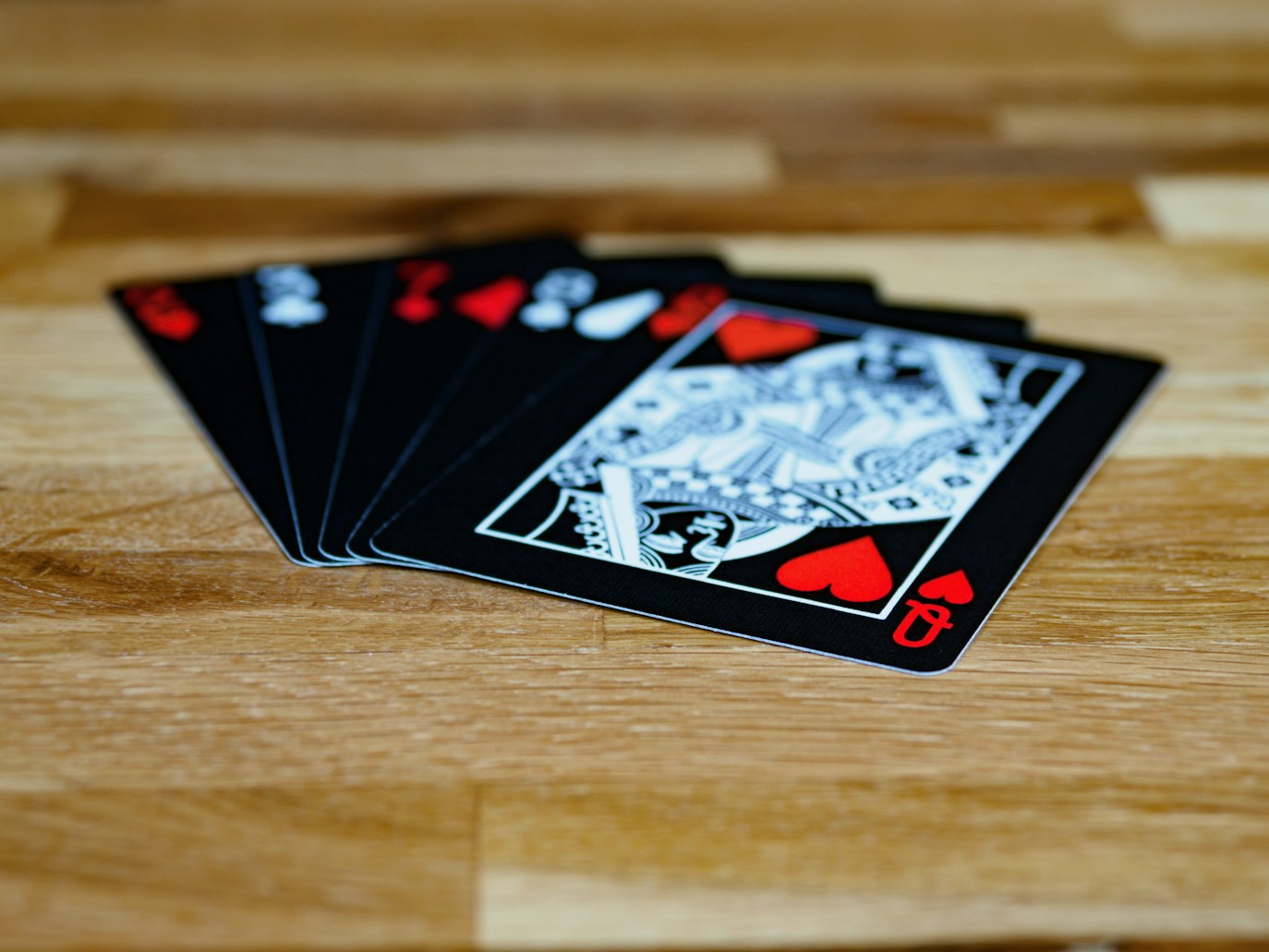
In the world of poker, the manner in which you present your bluff can be just as important as the bluff itself. If you play your hand with confidence, your opponents will be more likely to believe your narrative. Conversely, any hesitance can give away your intentions. Thus, practice is vital; the more you engage in bluffing, the more comfortable you will become in executing these strategies effectively. By refining your timing and presentation, you can elevate your poker game significantly.
Reading Opponents and Analyzing Situations
Successful bluffing also hinges on your ability to read your opponents effectively. This involves analyzing their betting patterns, body language, and behaviors throughout the game. For instance, if a player tends to bet aggressively when they have a strong hand, their sudden withdrawal from betting could indicate weakness. Understanding these subtleties can provide insight into when you might successfully employ a bluff, as you can gauge their level of confidence or uncertainty.
Moreover, situational context is vital. If you find yourself at a table with aggressive players, bluffing might not be as effective, as these players may be more inclined to call. In contrast, if you’re up against passive players who are risk-averse, they might fold more easily when confronted with a bluff. Analyzing the table dynamics can help you decide not just when to bluff, but also against whom to make your move.
In addition, players often adapt their strategies based on past interactions. If you frequently bluff against a particular opponent, they may start to catch on and become less susceptible to your tactics. The key is to remain unpredictable; altering your approach can keep opponents guessing. This element of surprise increases the likelihood of successfully executing your bluffs, thereby enhancing your overall game strategy.
Developing Your Bluffing Style
Each player has a unique style when it comes to bluffing, which can be shaped by personal preferences, experience, and understanding of the game. Some players may prefer an aggressive bluffing strategy, where they frequently attempt to push opponents out of the pot, while others might take a more conservative approach, saving their bluffs for pivotal moments. Understanding your natural tendencies can help you refine a personalized bluffing style that complements your overall gameplay.

Experimentation plays a crucial role in developing your bluffing style. Engaging in practice games or lower-stakes tables can allow you to test different bluffing techniques without the high-pressure stakes of a significant tournament. This trial-and-error process can help you discover what works best for you and improve your confidence in executing bluffs. By assessing the outcomes of your bluffs, you can fine-tune your strategy to enhance your chances of success in more critical situations.
Furthermore, maintaining a balance between aggression and caution is essential. Over-bluffing can lead to predictability, making you an easy target for experienced players. Conversely, under-bluffing can cost you valuable chips when you might have successfully pushed opponents out of a pot. Hence, developing your bluffing style involves finding that sweet spot where you are deceptive yet strategic, amplifying your effectiveness at the table.
Resources for Enhancing Your Poker Skills
Improving your bluffing skills in poker is a continuous journey that requires dedication and practice. Numerous resources can assist you in this pursuit, from books and articles to online forums and coaching sessions. Engaging with seasoned players and poker communities can expose you to various bluffing techniques and strategies that you may not have considered. Learning from the experiences of others can significantly enhance your game.
Additionally, watching poker tournaments can serve as an excellent educational tool. Observing professional players execute bluffs and noting their timing, presentation, and strategies can provide valuable insights. Pay attention to how they manipulate their opponents and the decisions they make when confronted with bluffs. This observational learning can help you integrate new tactics into your gameplay.
Online poker platforms often provide players with a treasure trove of analytical tools and simulations. Utilizing software that tracks your game metrics can help identify patterns in your own play, including your bluffing frequency and effectiveness. This data can guide you in refining your gaming strategy and enhance your overall approach to bluffing. By continuously seeking knowledge and adapting your techniques, you can become a more formidable player at the poker table.